
Cold Resistant Conveyor Belt
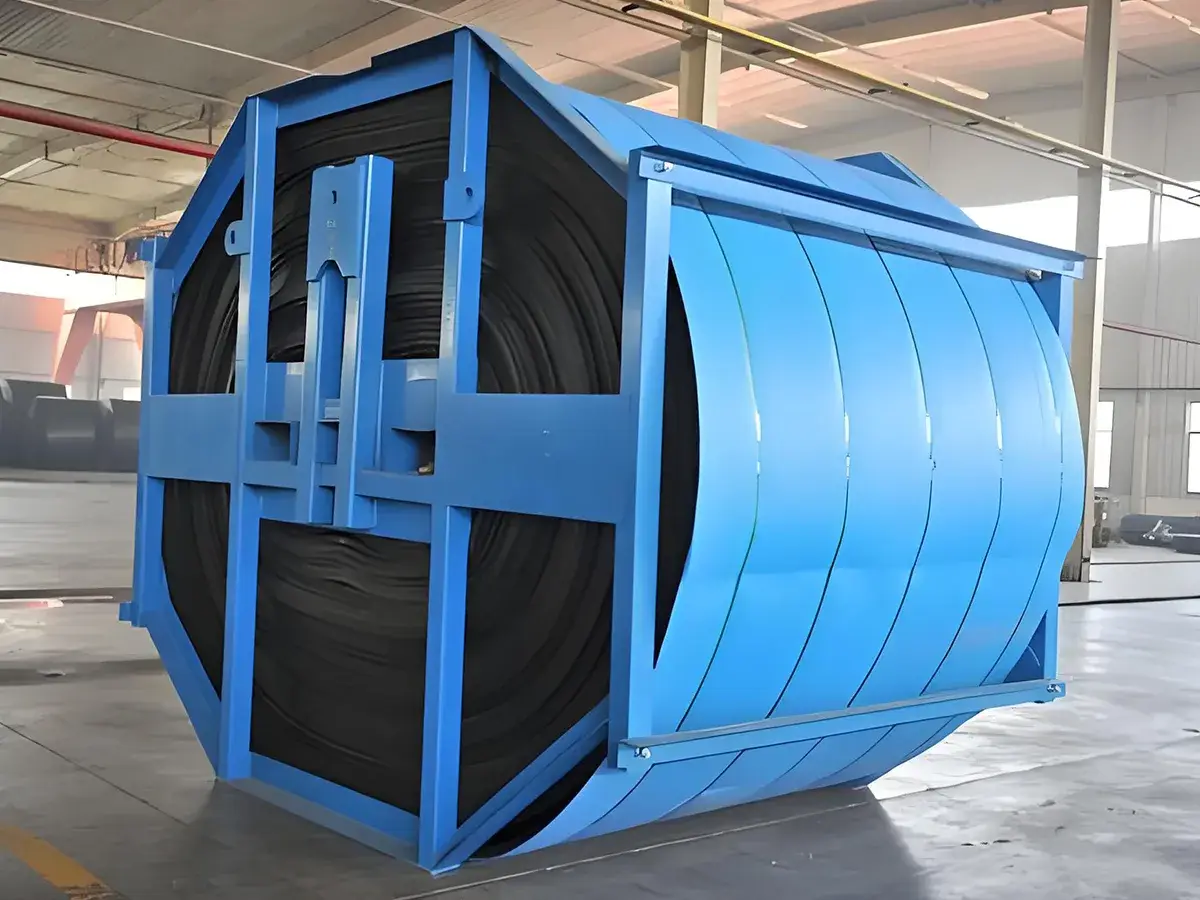
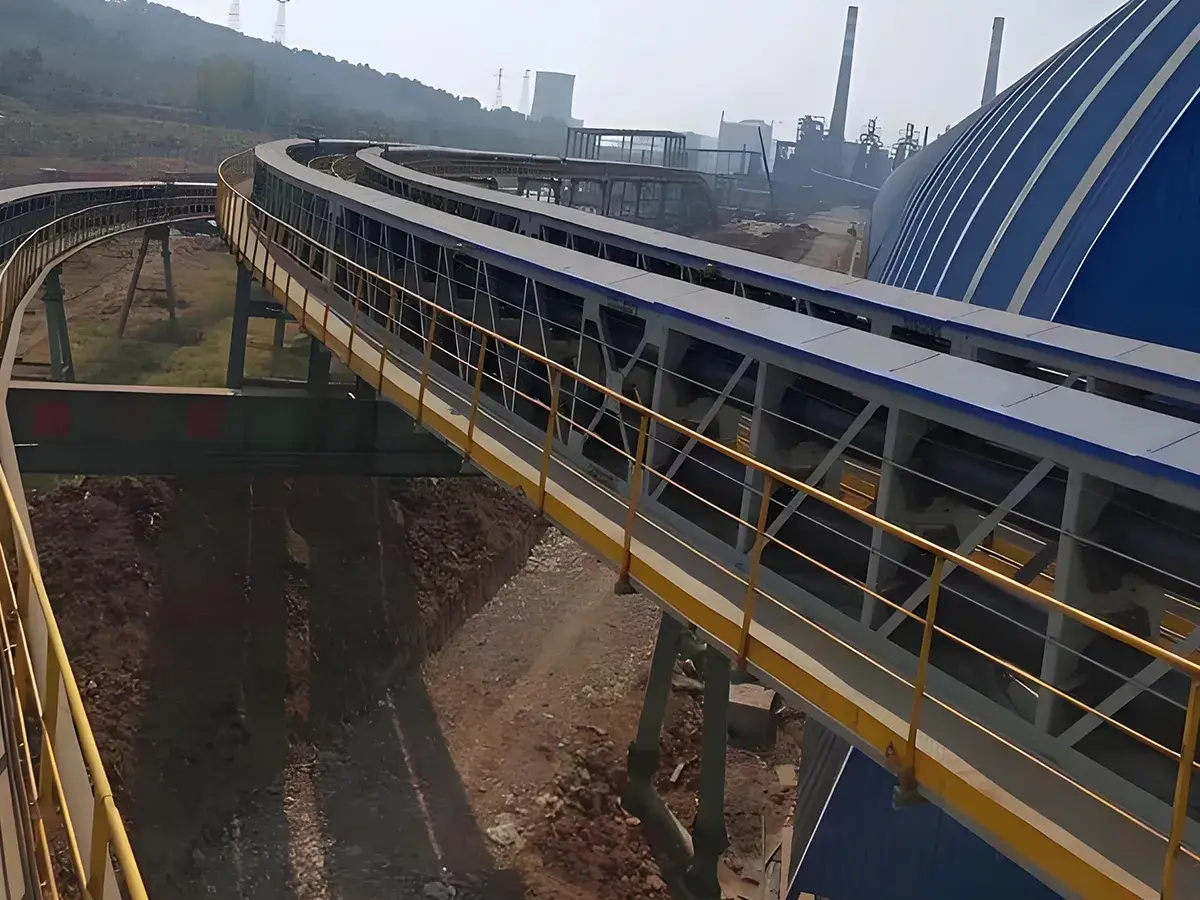
Cold-resistant conveyor belts are designed for low-temperature conditions, maintaining rubber elasticity and impact resistance to avert hardening, cracking, and brittle fracture. Constructed with a cotton, nylon, or polyester framework, they function dependably at temperatures as low as -40°C, facilitating outdoor operations in frigid climates, freezer storage facilities, and bulk handling within metallurgy, mining, and chemical processing sectors. Cold-resistant conveyor belts are designed for low-temperature conditions, maintaining rubber elasticity and impact resistance to avert hardening, cracking, and brittle fracture. Constructed with a cotton, nylon, or polyester framework, they function dependably at temperatures as low as -40°C, facilitating outdoor operations in frigid climates, freezer storage facilities, and bulk handling within metallurgy, mining, and chemical processing sectors.
- The cover blends natural rubber with butadiene rubber for high resilience at both normal and low temperatures, recovering instantly after compression with minimal internal heat build-up.
- Drawing on data from our blast-belt track designs, the construction accounts for the flex demands of short-distance conveyors, extending belt life.
- Higher peel strength than standard belts resists internal delamination.
| Item | Index | |||
| H(Laceration Resistant) | D(Anti-abrasive) | L(Ordinary) | ||
| Tensile strength/Mpa≥ | 24 | 18 | 15 | |
| Breaking elongation/%≥ | 450 | 400 | 350 | |
| Ageing experiment (70℃,7d) | Change rate of tensile strength/% | ±25 | ±25 | ±25 |
| Change rate of breaking elongation/% | ±25 | ±25 | ±25 | |
| Abrasion/mm³≤ | 120 | 100 | 200 | |
| Cold resistance coefficient at elongation | C1 (-45℃) | 0.3 | ||
| C2 (-60℃) | 0.2 | |||
Note: C1—temperature condition is -45℃ ~ +50℃, C2—temperature condition is -60℃ ~ +50℃